In Brazil's jury court, the verdict is not given by the judge: it is given by seven citizens drawn by lot, who vote in secret after hearing the prosecution and the defense. This is the procedure for intentional crimes against life, and each stage, from the police investigation to the jury session, calls for its own preparation.
Which crimes go to a jury
The Constitution recognizes the jury and guarantees it full defense, secret voting, the sovereignty of verdicts and jurisdiction over intentional crimes against life (art. 5, XXXVIII). The Code of Criminal Procedure lists these crimes in art. 74, § 1: intentional homicide, inducing or assisting suicide and self-harm, infanticide and abortion, whether completed or attempted. Related crimes tried in the same case may also go before the jury.
The two phases of the case
Jury proceedings have two phases. In the first, a judge hears the witnesses and the parties to decide whether there is a basis to send the case to the jurors. In the second, the case is tried before the jury panel.
| Stage | What happens | Legal basis |
|---|---|---|
| Police investigation | The police look into the facts. Statements, forensic reports and images gathered here often carry weight all the way to the jury. | CPP, arts. 4 to 23 |
| Indictment and evidence hearing | The Public Prosecutor's Office charges; the judge hears witnesses, the victim (when possible) and the accused. | CPP, arts. 406 to 412 |
| First-phase decision | Committal for trial, non-committal, summary acquittal or reclassification of the offense. | CPP, arts. 413 to 419 |
| Preparing for trial | Each party names up to 5 witnesses for the jury session, files documents and requests further steps. | CPP, art. 422 |
| Jury session | Drawing of the 7 jurors, testimony, questioning of the accused, closing arguments and voting. | CPP, arts. 447 to 492 |
| Appeals | Appeal against the jury's decision, in the cases provided by law. | CPP, art. 593, III |
Committal: whether the case goes to the jurors
At the end of the first phase, the judge commits the accused for trial if convinced that the crime occurred and that there is sufficient indication of authorship or participation (CPP, art. 413). Otherwise, the judge declines to commit (art. 414), and a new charge is only possible with new evidence. The judge may also acquit outright, for example when it is proven that the act did not occur or that the accused was not the author (art. 415), or conclude that the crime is not an intentional crime against life and send the case to another court.
Committal is not a conviction. It only means there is enough for the jurors to decide. That is why the judge's reasoning must be limited to the occurrence of the crime and the indications of authorship, without anticipating a finding of guilt (CPP, art. 413, § 1).
How the jury session works
The jury court is made up of a professional judge, who presides, and 25 jurors drawn by lot, 7 of whom form the panel for each trial (CPP, art. 447). After the testimony and the questioning of the accused come the closing arguments: an hour and a half for the prosecution and the same for the defense, with one hour for rebuttal and one for surrebuttal (art. 477), with more time when there is more than one defendant.
Jurors do not give reasons for their vote. In a private room, they answer objective questions in the order set by art. 483: whether the act occurred, whether the accused is the author, whether the accused should be acquitted, and then about mitigating causes, aggravating circumstances and causes for increasing the sentence. A "no" from more than three jurors on whether the act occurred or on authorship is enough for acquittal.
The victim's family in the case: the assistant prosecutor
The prosecution is brought by the Public Prosecutor's Office, but the victim, their legal representative or, in their absence, the spouse, parent, child or sibling may join as assistant prosecutor (CPP, arts. 268 and 31). With their own lawyer, the family can propose evidence, question witnesses, take part in the closing arguments and appeal in the cases provided by law (art. 271).
In practice, the assistant prosecutor brings to the case what only those close to the victim know, and gives the family a voice before the jurors. They do not replace the Public Prosecutor's Office: they work alongside it.
Defense before the jury
For the accused, the Constitution guarantees full defense, broader than ordinary defense: beyond technical arguments, the defense may present to the jurors social, human and contextual reasons. The work starts well before the jury session, with the evidence produced during the investigation and the evidence hearing, challenging a committal without basis, and choosing the witnesses and documents the jurors will see.
Appeals against the verdict
An appeal may be filed within 5 days against the jury's decision when there is a procedural nullity after committal, when the presiding judge's sentence contradicts the law or the jurors' decision, when there is an error in the sentence, or when the verdict is manifestly contrary to the evidence (CPP, art. 593, III). In this last case, the appellate court does not replace the jurors' decision: it orders a new trial, and a second appeal on the same ground is not allowed (art. 593, § 3).
How to prepare
- Look for a lawyer while the police investigation is still under way: what is produced there often reaches the jury;
- Gather documents, messages, and the names and contacts of people who saw the events or know the people involved;
- Follow the court notices: after committal, there are 5 days to name the witnesses who will testify before the jury (CPP, art. 422);
- Discuss with your lawyer what the jurors will hear and see on the day of the trial, including documents and images;
- For the victim's family, consider with your lawyer joining the case as assistant prosecutor (CPP, art. 268).
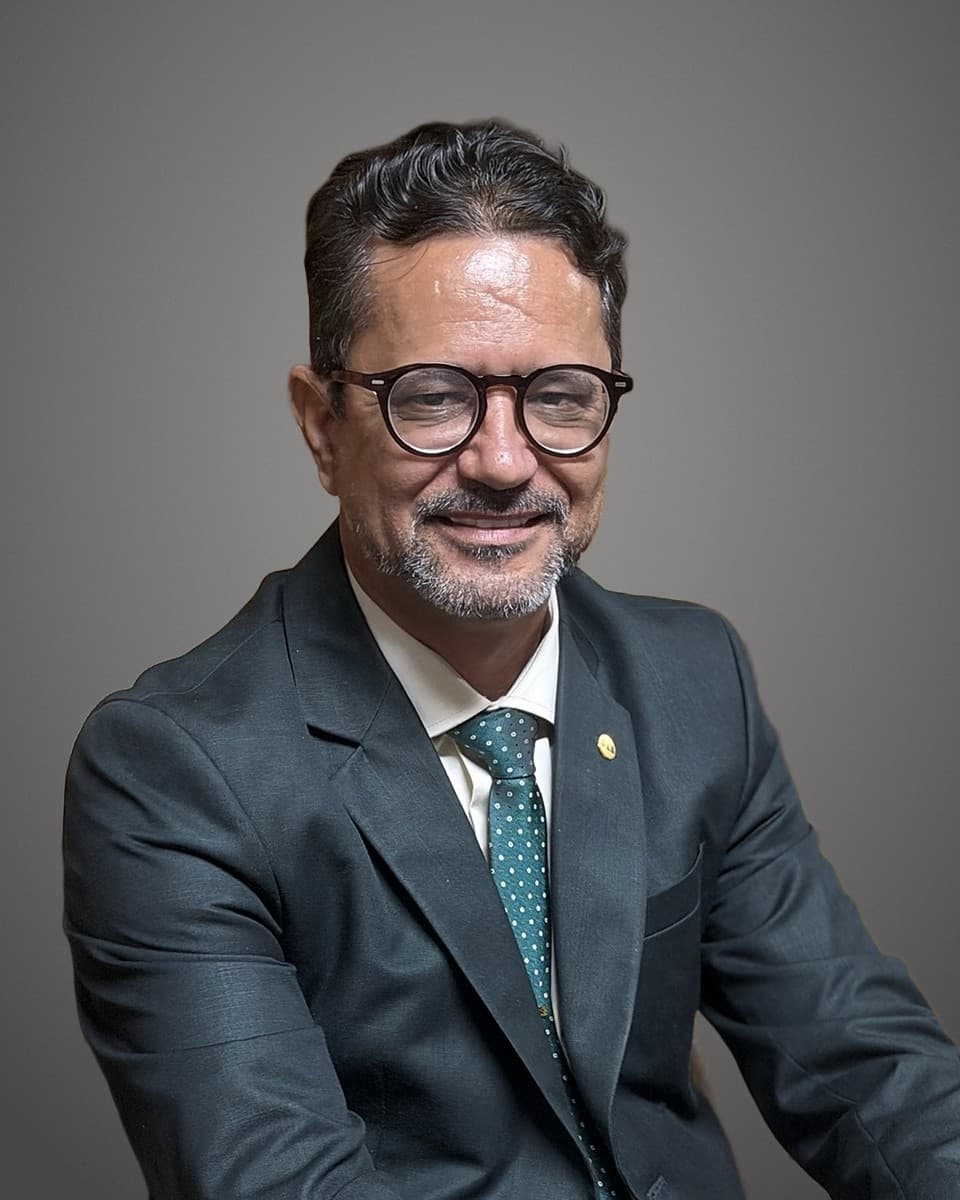
Jury trials are the practice area of partner attorney João Darcs Fernandes Costa, who has worked for more than ten years in the Federal District for the defense and as assistant prosecutor. You can reach the firm at +55 61 99622-0324.
Sources and References
- Federal Constitution, art. 5, XXXVIII · normas.leg.br
- Code of Criminal Procedure, arts. 31, 74, 268, 271, 406 to 497 and 593 · normas.leg.br